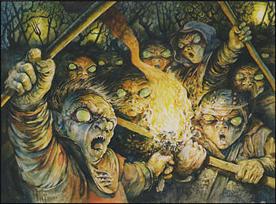
Torches and Pitchforks

Torches and Pitchforks CC-BY-NC-SA by TV Tropes Foundation

What happens when you combine ignorance with an impulse to condemn? You get an injured innocent party. In these posts, The Digital Media Machine and FOSS Force lay out the sorry tale of how selfish, vindictive authors attacked a website for legally helping ebook lenders get together with borrowers. When they saw their ebooks mentioned on the site they assumed it was piracy. Apparently they forgot that they had authorized the practice in their agreement with Amazon. After attacking the site in the Internet equivalent of a slavering mob, many of them still rationalize their behavior in the face of their own guilt.

The owner of the site, Lendink, appears to be a tough cookie, so he might survive this. Maybe it will even fulfill the cliche of making him stronger. Even if it does, it won’t justify this kind of arbitrary attack. There should be consequences for these thoughtless vandals.

rjb
Posted in Uncategorized | Tagged | 3 Comments

Cave Art – Part Two

See also parts one, three and four.

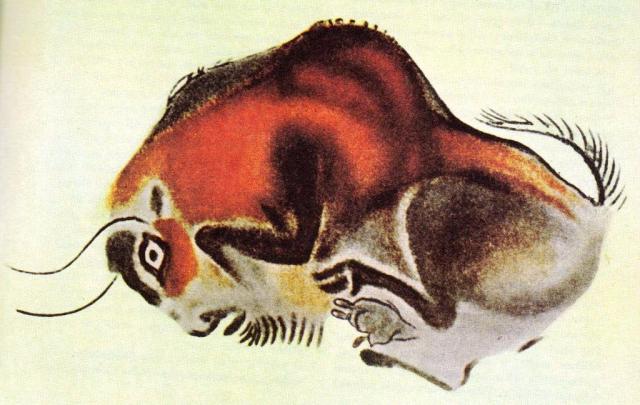
Cave art is one of the most interesting discoveries in paleontology. The fossilized bones of our ancient ancestors let us see what they were like millions of years ago, and how they changed over time. Stone tools show us when they started systematically creating and using technology, and how they improved it. Needles for sewing and beads for decoration mark the time when we were becoming the modern human beings we would recognize as being like us. But with the cave art we can see evidence of people who consciously created a lasting record of . . . something. Here was something that our ancestors deliberately did to communicate with each other, and with following generations. Continue reading

Posted in Uncategorized | Tagged , | 2 Comments

Cave Art

Update: Continuing study has shown that cave artists might have been trying to show animation in some of their subjects. “Sprawling, graphic, and often chaotic narrative scenes captured movement with repeated sequences.”

See also parts two, three and more.

People have been studying cave art since at least the middle of the nineteenth century. In Europe it took fifty years for the cave paintings found there to be accepted as the ancient work they are. Over three hundred sites have been discovered in Europe, dating between forty thousand and ten thousand years old. That is the period in human paleontology known as the Upper Paleolithic. Many more examples have been found around the world in Asia, Africa, Australia and the Americas. Continue reading

Posted in Uncategorized | Tagged , , , , , | 2 Comments