State of the Commons

creative-commons-logo

Creative Commons has published an infographic, called State of the Commons, illustrating the extent of CC licensing in 2014. According to them, the number of Creative Commons licensed works is approaching one billion. The most common license in use is Creative Commons Attribution-Share Alike, the one I’ve used for Green Comet. CC-BY-SA is the third most open license, and the least open to still be called a Free Culture license.

creative-commons-state-2014

This is encouraging news.. I’m glad to be part of it.

rjb

Posted in Uncategorized | Tagged , , | 1 Comment

Fractus

Photo credit - cwPhotography - cc-by

Photo credit – cwPhotography – cc-by

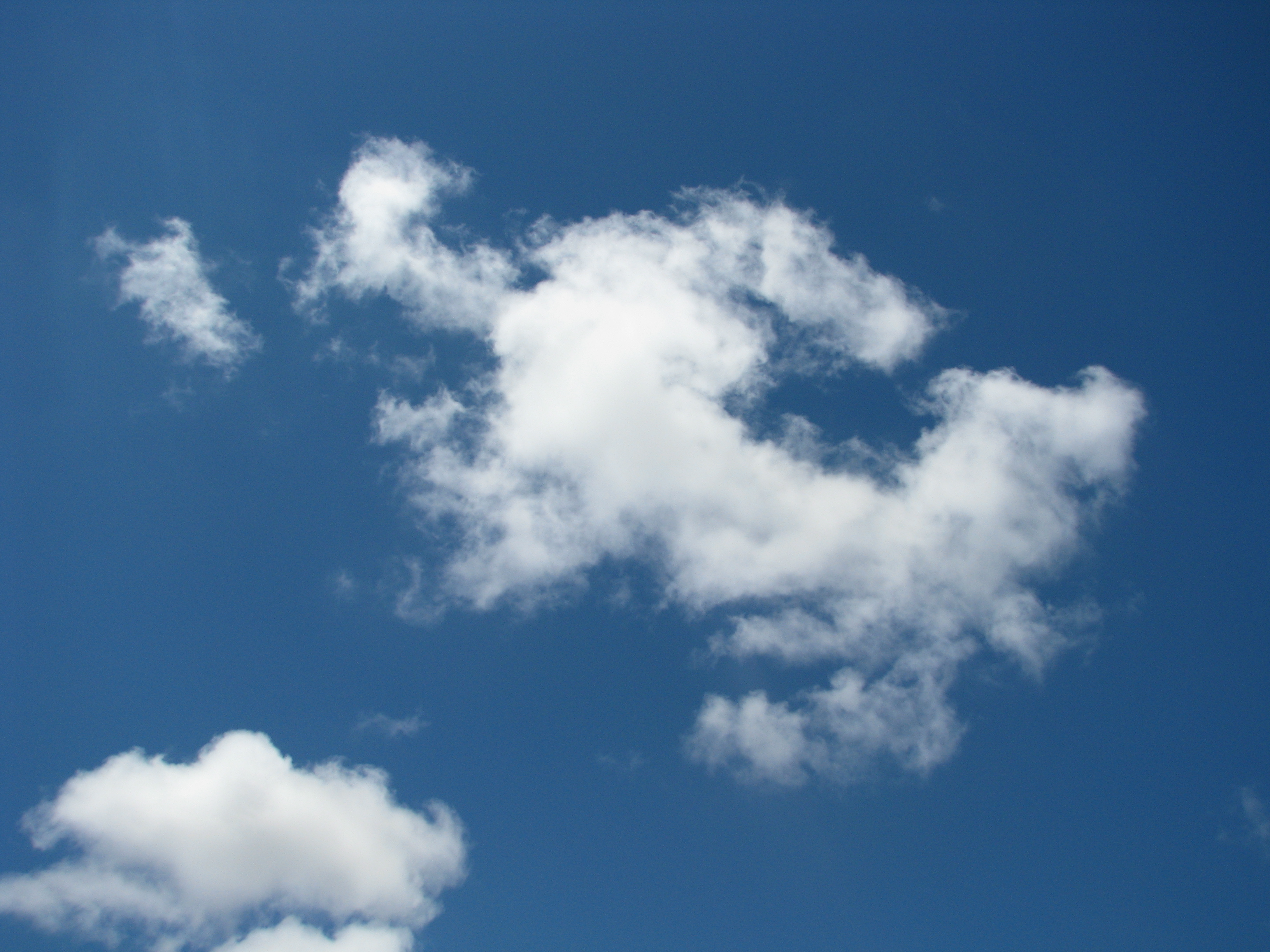
Cloud of the Day – Fractus

Fractus are subsidiary clouds, also referred to as accessory clouds. This means that they are associated with primary clouds such as cumulus or stratus. That’s why fractus clouds are always named in combination with the cloud type that they are accessory to. When associated with cumulus they’re called cumulus fractus, with stratus, stratus fractus.

Photo credit - Andrew Basterfield - cc-by-sa

Photo credit – Andrew Basterfield – cc-by-sa

They’re called fractus because they have a ragged or shredded appearance. Cumulus fractus, for instance, looks like a nice, puffy cumulus cloud that has been torn up. Stratus fractus looks as if it’s been torn off the bottom of a layer of stratus cloud. Fractus clouds that form under the main cloud are often seen moving in a direction different from the overall movement. This can indicate what the wind is doing there and, if the speeds and directions differ significantly, can show instability and wind shear. This can be useful to pilots, who tend to call it scud cloud, for the way it scuds along. There’s also an acronym: scattered cloud under deck.

Photo credit - Dominiktesla - cc-by-sa

Photo credit – Dominiktesla – cc-by-sa

Fractus clouds are good weather indicators. They often form under rain clouds, including cumulonimbus, and at the leading and trailing edges of weather fronts. If the stormy weather hasn’t struck yet, fractus can be a sign that it soon might.

Photo credit - Merikanto - cc-by-sa

Photo credit – Merikanto – cc-by-sa

No precipitation comes from the fractus itself, but may come from its parent cloud.

Click photos for larger originals.

rjb

Posted in Uncategorized | Tagged , | 5 Comments

Open Source Seeds

Photo credit - Roger Culos - CC-BY-SA

Photo credit – Roger Culos – CC-BY-SA

If you thought Open Source was all about computer software, you’re not alone. Most people, if they’ve heard of Open Source, will think about Free Software, such as Linux and Mozilla Firefox. Even WordPress, the software on which this blog is written, is Open Source, one reason why I chose it. In addition, LibreOffice, which I used to write Green Comet, and Calibre, used to convert it to ePub format, are Open Source software. Then there’s Audacity, which I used to edit the recordings.

The concept of Open Source reaches beyond software, though. For instance, there’s Creative Commons, the open licensing system I used to set Green Comet free. The “source” of the novel – the story and the characters – is open for people to read, share and modify, just like Open Source software. And now some people have taken the concept and applied it to something really critical: seeds. They’re working to make the “source” of seeds – the germ plasm – open for people to use and share. Their free seed pledge means that the genetic resources in the seeds can’t be patented or otherwise locked away. They will stay in the commons forever. The first release of Open Source seeds took place this year, as announced on the Open Source Seed Initiative website.

Credit OSSI

Credit OSSI

The OSSI mission is “maintaining fair and open access to plant genetic resources worldwide.” In a world where people are trying to alienate and lock away so many things, Open Source seeds, like similarly open culture and software, are vitally important.

If you’re interested in a more in-depth article, here’s one in the VQR journal, by Lisa M Hamilton.

rjb

Posted in Uncategorized | Tagged , , | Leave a comment