Rainbow

Image credit - Sarang - public domain

Image credit – Sarang – public domain

Cloud of the Day – Rainbow
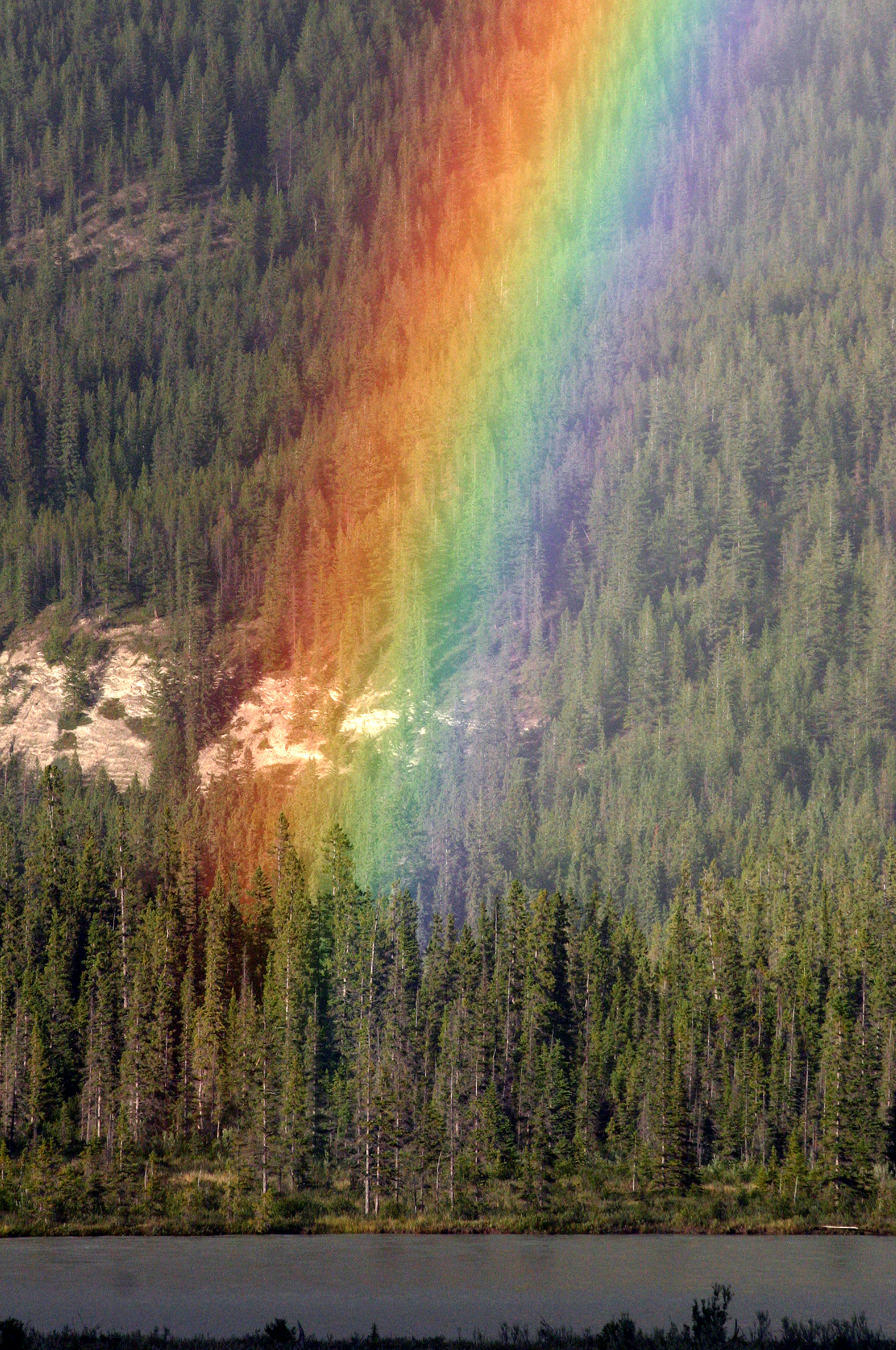
Photo credit - Wing-chi Poon - CC-BY-SA

Photo credit – Wing-chi Poon – CC-BY-SA

There are many optical meteorological phenomena, and we’ve discussed a few, including aurora, halo and corona. Today’s example is the rainbow. Rainbow is a good name. It’s bow-shaped and it forms in rain. To be accurate, the part we usually see is bow-shaped. If the ground wasn’t in the way, the rainbow would be circular. In fact, many people have seen circular rainbows when they were flying. On the ground though, we only get the bow.

Photo credit - Brocken Inaglory - CC-BY-SA

Photo credit – Brocken Inaglory – CC-BY-SA

You see a rainbow when the Sun is directly behind you and you’re looking toward falling rain. The Sun’s rays enter the raindrops, are refracted, spreading out into the colors, then are reflected off the back of the drops to your eyes. The maximum brightness of the reflected light is at a 42 degree angle, which explains the dimensions of the rainbow. You only see the colors from the droplets that are at that angle. A person standing next to you will see their rainbow from different raindrops.

Photo credit -  Leonardo Weiss - CC-BY

Photo credit – Leonardo Weiss – CC-BY

Double rainbows form when the Sun’s rays are reflected twice on the back of the drop. The bow from the second reflection has its colors reversed, with the red on the inside rather than the outside. The area between double bows appears darker because it’s between two bands of maximum brightness.
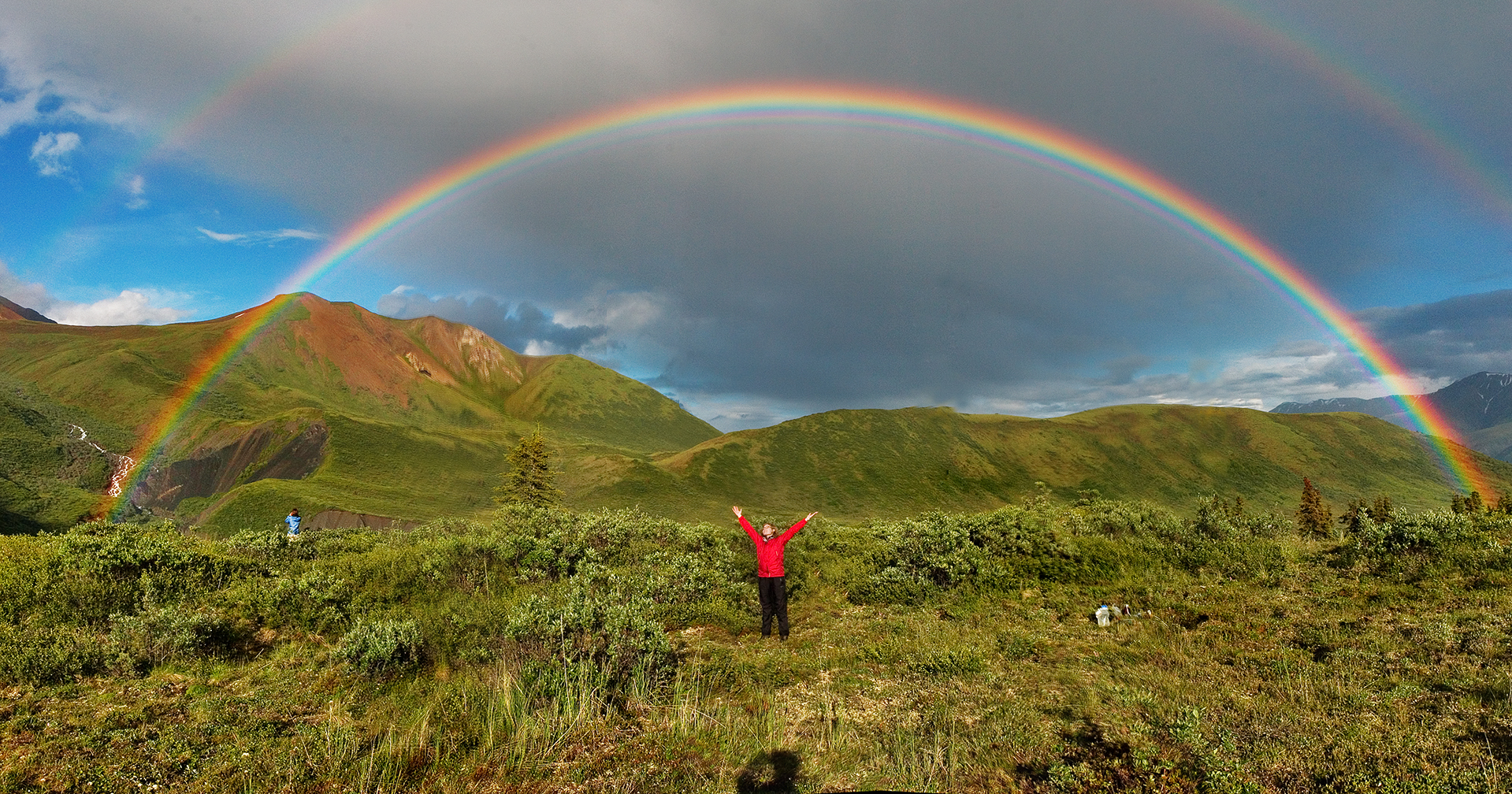
Photo credit - Eric Rolph - CC-BY-SA

Photo credit – Eric Rolph – CC-BY-SA

Supernumerary rainbows sometimes form on the inner edge of the primary rainbow. They aren’t caused by refraction and reflection only, but by subsequent interference, an effect we saw in corona and irisation. Click on the photo above to really see it.

Photo credit -  Tomasz Sienicki - CC-BY

Photo credit – Tomasz Sienicki – CC-BY

Rainbows don’t form only in rain. They’re also seen in waterfalls, fountains and sprinklers. We still call them rainbows, though. There are also many flags that use the rainbow.
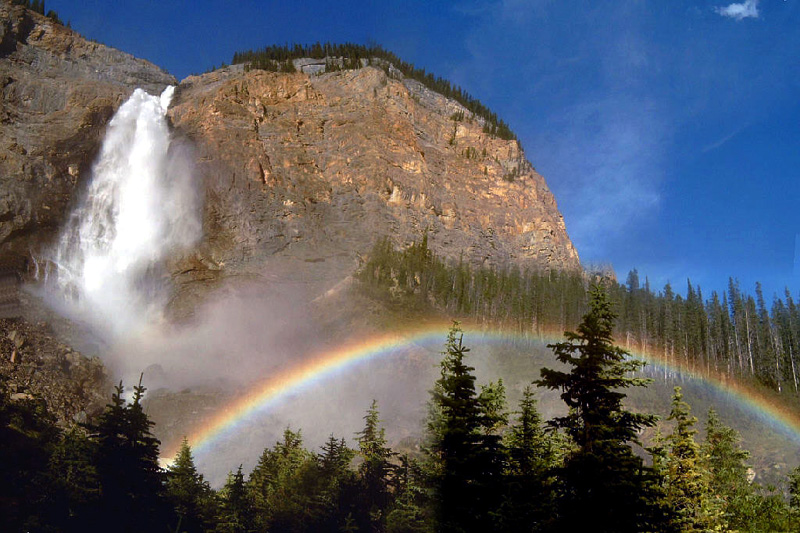
Photo credit - Michael Rogers - CC-BY-SA

Photo credit – Michael Rogers – CC-BY-SA

All photos are linked to larger images.

rjb

Posted in Uncategorized | Tagged , , | Leave a comment

Murmuration

Photo credit - SteveMcN - cc-by-nc-nd

Photo credit – SteveMcN – cc-by-nc-nd

In my posts on collective nouns, parts one and two, I had many examples for birds and humans and other animals. Even plants were represented. I could have gone on and on, listing existing collective nouns and inventing my own, but I stopped myself. I wanted the posts to be brief, both to prevent boredom and to encourage readers to explore further. Naturally, this meant that many good examples were left out. This post is about one of those.

Photo credit - adam - cc-by

Photo credit – adam – cc-by

Starlings have numerous collective nouns attached to them, including a chattering, a clattering, a cloud and a congregation, but the one I favor is a murmuration. When starlings are flocking and swooping around in the sky, that’s murmuration.

Photo credit - vytauto - public domain

Photo credit – vytauto – public domain

How do all the birds in a murmuration maintain such coordinated flight? They keep it simple: avoid collisions. Each bird keeps a minimum distance, on the scale of its wingspan, from its immediate neighbors. Analysis of high-speed video reveals that each bird keeps track of six or seven others. Why do they do it? The practical purpose is to evade and confuse predators, such as falcons. But when they’re doing it just before roosting for the night, I think they’re doing it for fun. Starlings are highly social birds. Activities like murmuration can contribute to social bonding.

Photo credit - don macauley - cc-by-sa

Photo credit – don macauley – cc-by-sa

Here’s a nice video of murmuration. Here’s another, with narration. Listen to them murmur.

Update: Wildlife photographer Albert Keshet has captured a remarkable momentary image of a flock of birds forming the shape of a spoon with a heap of sugar.

Credit Albert Keshet


See more photos and videos in this BBC article about it.

Another murmuration that looks like something, this one by James Crombie.

© James Crombie

rjb

Posted in Uncategorized | Tagged , , | 3 Comments

Irisation

Photo credit - gquiroga - cc-by-sa

Photo credit – gquiroga – cc-by-sa

Cloud of the Day – Irisation

A close relative of corona is irisation. Both are caused by interference among light waves diffracted by cloud particles. Since different wavelengths of light are scattered at different angles, they interfere with themselves at different distances from the light source. This causes the colors to be separated out, creating the beautiful iridescent irisation. The differential scattering of wavelengths, shorter being more easily scattered, also leads to blue skies, as much of the short wavelength blue in sunlight is scattered, and red sunsets, as more long wavelength red light makes it through.

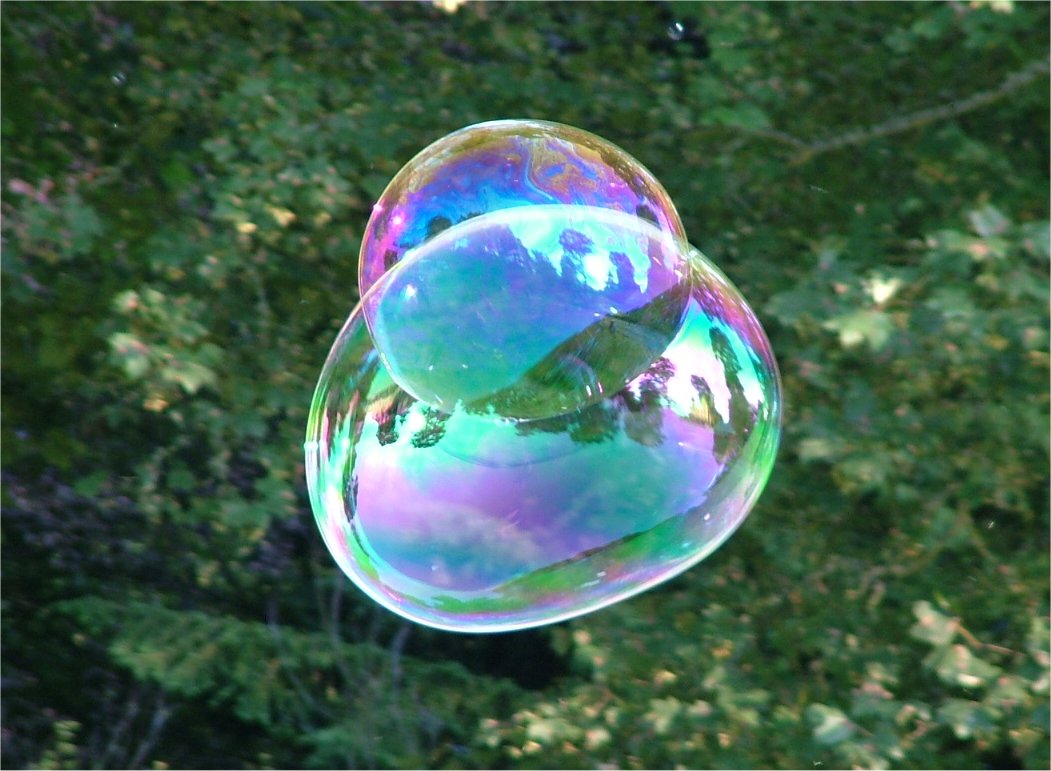
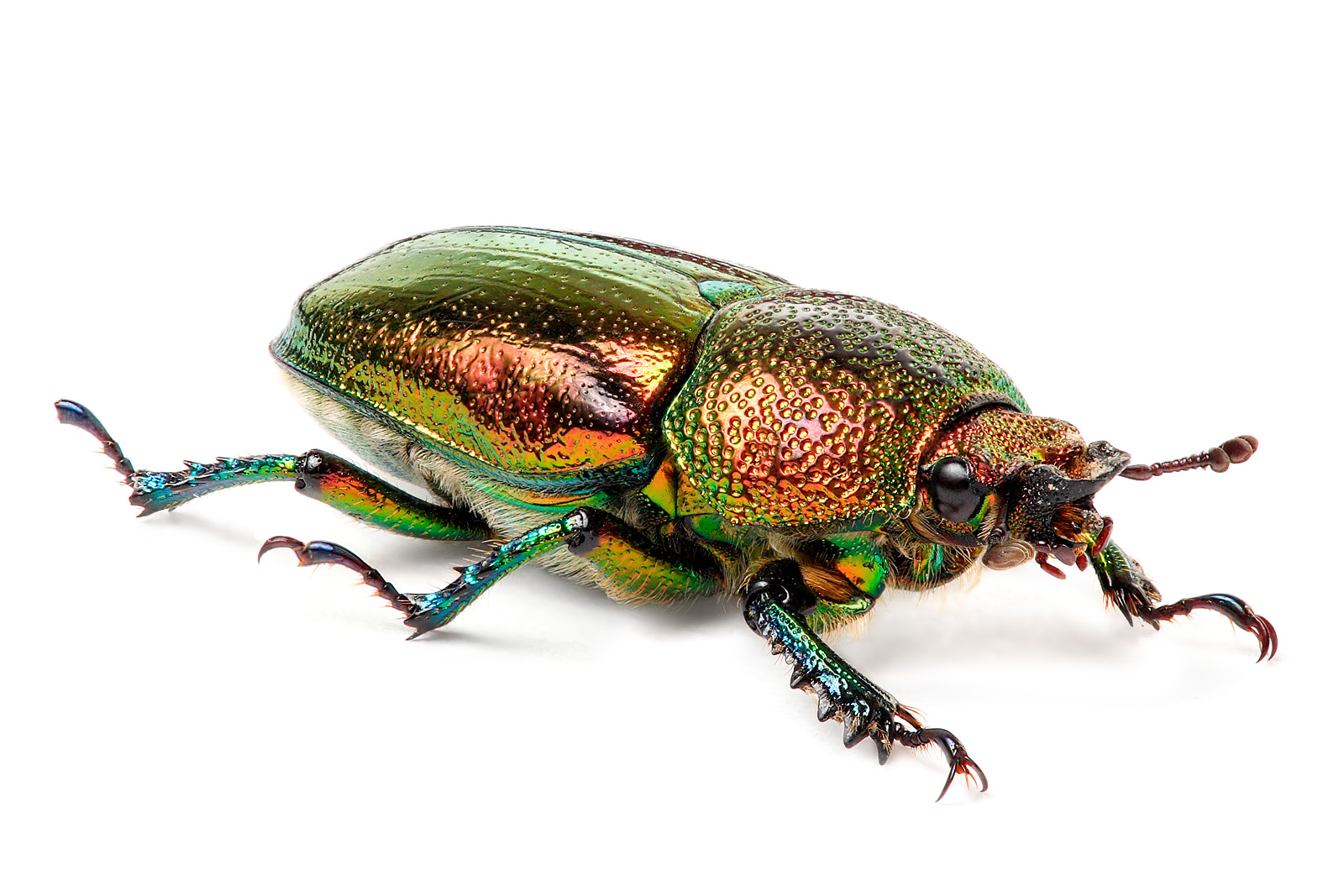
Irisation is the name of the meteorological phenomenon, and it’s caused by iridescence. Both words have their root in the Greek word iris, or rainbow, derived from the Greek god(dess) of the rainbow: Iris. Iridescence can be found in soap bubbles, bird feathers and seashells. In the case of irisation, it’s found in the clouds.

Image credit - hermitage museum - public domain

Image credit – hermitage museum – public domain

Photo credit - Tagishsimon - cc-by-sa

Photo credit – Tagishsimon – cc-by-sa

Photo credit - Jörg Hempel - cc-by-sa

Photo credit – Jörg Hempel – cc-by-sa

Since it occurs so close to the Sun, irisation is often lost in the glare. You can improve your chances of seeing it by wearing sunglasses, or by physically blocking out the Sun. It occurs in many different types of clouds, generally in the middle and high etages. Any time you see bright white clouds close to the Sun, you have a good chance of seeing it.

Photo credit - Fir0002 - Flagstaffotos - cc-by-nc

Photo credit – Fir0002 – Flagstaffotos – cc-by-nc

And one from Petr Hykš, as kindly offered in the comments below.

Credit Petr Petr Hykš – cc-by-nc

Irisation is not reliably predictive of weather.

Note: All pictures link to their larger originals.

rjb

Posted in Uncategorized | Tagged , , | 4 Comments